Are Metal Sheds Worth It? Pros and Cons
Metal sheds can be worth it if you want a lockable place for tools or yard gear and can prepare a level base. They may be a poor fit if you need built-in flooring, frequent access to shelves, or a cooler space in direct sun.
On this page (7 sections)
Metal sheds can be worth it if you want enclosed outdoor storage for tools, bikes, or yard equipment and can prepare a level base. They may be a poor fit if you need built-in flooring, frequent shelf access, or a cooler spot in direct sun.
The main tradeoff is simple: metal provides a rigid enclosure, but the panels need careful assembly and protection from moisture-related damage. Decide based on your site, what you plan to store, and whether the shed includes a floor.
Are metal sheds worth it for your yard?
A metal shed is worth considering when you need lockable storage and have room for its footprint and doors. It can help clear a garage or patio, but the right size and a stable base matter as much as the material.
Start with the items you want to store. Measure the largest one, then account for door clearance and walking space inside.
A shed that fits a mower on paper may still be awkward if the door is narrow or you can't turn the mower inside.
Next, check your site. The ground should support a level base, and the location should allow rain to drain away.
Review local building rules and any homeowners association requirements before you choose a spot.
A metal shed can make sense for outdoor tools and equipment you don't need to reach every hour. If you need frequent access to small items, plan shelves and hooks or consider whether a different storage setup would be easier.
What do metal sheds do well?
Metal sheds provide enclosed storage with lockable doors on many models. Some designs also include vents and sloped roofs, features that can help with airflow and rain or snow drainage.
A locking door can make access less casual, though a lock alone doesn't make a shed secure against a determined break-in. Consider the door, hinges, and the items you plan to store, then read how to secure a shed door for practical steps.
Ventilation matters when you store damp tools or equipment. Vents support airflow, but they don't replace drying wet items or managing condensation.
For a broader moisture plan, see how to keep a shed dry.
Metal sheds can also offer useful space for bulky items. Compare the inside dimensions and door opening with your gear before choosing between compact and walk-in sizes.
Are metal sheds any good for everyday tools?
Metal sheds can work well for tools you want to keep outside but under cover. The fit depends on the shed's floor, door, ventilation, and interior layout.
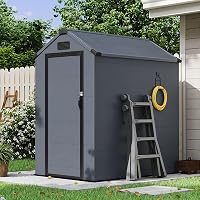
The Patiowell 6x4 Metal Shed has a lockable door, four vents, and a sloped roof. It doesn't include a base, so plan one separately if your site or stored items need it.
Measure the door and floor area against the largest item you want to store. For assembly, Patiowell recommends 2 to 3 people and provides instructions and an installation video.
What are the drawbacks of metal sheds?
Metal sheds need a suitable base and careful assembly, and they can rust if their protective surface is damaged or moisture persists. Their usefulness also depends on the size of the door and the airflow through the shed.
A metal shed without a floor doesn't give you a finished storage surface. You'll need to decide how to prepare the ground and whether to add a separate floor.
Our guide to building a gravel shed base explains one option.
Assembly can take patience because panels and frames need to line up. Follow the instructions, use the recommended number of helpers, and protect sharp edges during setup.
A second person can help hold panels while you fasten them.
Sun and heat are another consideration. Metal walls can become hot in direct sun, so choose a shaded location if possible and avoid storing heat-sensitive items inside during hot weather.
Do metal sheds rust easily?
A metal shed may resist rust when its panels have a protective finish, but it isn't rustproof. Scratches, standing water, or neglected damage can expose metal to conditions that lead to rust.
Galvanized steel is used in several metal shed designs. For example, the Patiowell shed uses galvanized steel sheet, and its brand describes the material as rust and UV resistant.
That claim doesn't remove the need to inspect the finish and keep water from pooling around the base.
Check for damage after assembly and after severe weather. Address scratches according to the shed maker's care instructions, and keep debris from trapping moisture against the walls.
For warning signs and upkeep advice, read do metal sheds rust?. If you want help comparing materials before buying, see resin vs metal sheds.
Does a metal shed need a floor?
A metal shed needs a stable base, but it may not include a floor. Confirm what the model includes and plan a flat surface that suits both the site and your stored items.
A floor can make it easier to move equipment and keep items off bare ground. But an included floor doesn't remove the need to prepare the site beneath it; uneven ground can affect how the shed sits.
The Aoxun 8x6 Steel Shed with Floor includes a 12 mm interlocking plastic floor. It has double doors, top vents, and a stated floor area of 48 square feet.
This option may suit you if you want a floor included and need a wider space for equipment. Check the 47.24 in door width and 61.1 in door height against what you plan to move inside.
For more options with floors or floor frames, see metal sheds with a floor. If you'll build a separate base, how to level ground for a shed covers the preparation.
Which metal shed size should you choose?
Choose the smallest shed that fits your largest items with room to move them in and out. The footprint, interior space, and door opening all affect whether storage feels practical.
The Polar Aurora 6x8 Metal Shed has a stated floor area of 48 square feet, a lockable door, a sloped roof, and two vents. It is listed as water resistant, so plan the site and storage with that limit in mind.
Compare the door opening with your mower, bike, or bins before settling on this size. The shed's stated dimensions are 63.39 in deep, 88.89 in wide, and 72.83 in high.
Use a sketch or tape to mark the footprint on the ground. Leave space for the door to open and enough room to work around the shed for upkeep.
When should you choose another shed material?
Choose another material if it better fits your priorities for upkeep, site conditions, and the items you store. A metal shed isn't automatically the best choice for every yard.
Resin sheds may appeal if you want panels that won't rust, but they still need a level base and care. Compare the tradeoffs in resin vs metal shed and are resin sheds any good.
If you need a place for cushions or small patio items, a deck box may take less space than a walk-in shed. For a broader starting point, see backyard storage sheds and deck boxes.
How can you decide if a metal shed is worth it?
Pick a metal shed if its size, door, base plan, and ventilation match your storage needs. Choose a different setup if you need a finished floor but the model doesn't include one, or if the site stays wet and hard to drain.
For compact tool storage, compare the Patiowell's 6x4 footprint and separate base needs. For a floor and double doors, consider the Aoxun; for a 6x8 layout with vents and a lockable door, compare the Polar Aurora's dimensions with your gear.
Before you buy, measure the site and the largest item, check local rules, and read the assembly instructions. Then use how to keep a shed dry to plan for moisture after setup.
Frequently asked questions
Are metal sheds worth buying?
Metal sheds can be worth buying if you need enclosed outdoor storage, can build a suitable base, and are comfortable assembling panels. Check the door opening, floor setup, ventilation, and local rules before choosing one.
A shed that doesn't fit your gear or site may create more work than useful storage.
Are metal sheds any good in rain?
A metal shed can keep gear out of rain when its roof, joints, and base are set up as intended, but no material makes every shed leakproof. Look for roof drainage and vents, prepare a flat base, and check seams after assembly.
Keep items that must stay dry off the floor.
Do metal sheds rust?
Metal sheds can rust if protective finishes are damaged or moisture stays on the metal. Galvanized or coated panels may resist rust, but the coating doesn't make a shed immune to scratches, standing water, or poor upkeep.
Learn how to spot trouble in our guide to metal shed rust.
Does a metal shed need a floor?
A metal shed needs a stable, level base, but that isn't always a built-in floor. Some models include a floor or floor frame, while others require you to prepare the base separately.
Check what comes with the model and plan a base that suits the site and stored items.