How to Build a Gravel Shed Base That Stays Flat
To build a gravel shed base that stays flat, remove soft soil, set a level border, add compactable crushed stone in shallow layers, and check the surface with a long straightedge. Keep the base larger than the shed footprint and direct runoff away from it.
On this page (9 sections)
- How do you build a gravel shed base step by step?
- How should you choose and prepare the site?
- What gravel should you use for a shed base?
- How do you keep the base flat while adding stone?
- Should you use paver panels instead of loose gravel?
- How do you check drainage and water flow?
- Does a shed with a floor frame still need a gravel base?
- What common mistakes make a gravel shed base settle?
- Which gravel shed base approach should you choose?
To build a gravel shed base that stays flat, remove soft soil, set a level border, add compactable crushed stone in shallow layers, and check the surface with a long straightedge. Make the base larger than the shed footprint and direct runoff away from it.
The key is preparing the ground before adding stone. A flat top layer won't stay level if it sits on sod, loose fill, or a low spot that holds water.
How do you build a gravel shed base step by step?
Mark the footprint, clear the site, establish a level border, then add and compact stone in layers. Check the base as you work, since small errors are easier to correct before the shed is assembled.
- Mark a base area slightly larger than the shed footprint.
- Remove grass, roots, and organic topsoil.
- Dig out soft spots and fill them with compactable stone.
- Set a sturdy border level on all sides.
- Add crushed stone in shallow layers, compacting each layer.
- Check the finished surface with a straightedge and level.
- Confirm that water drains away from the shed location.
Follow the shed maker's foundation instructions and check local rules before digging. For a more detailed look at the ground-prep stage, see how to level ground for a shed.
How should you choose and prepare the site?
Pick firm ground with a route for water to drain away. Avoid low areas, tree roots, buried utilities, and places where roof runoff or yard drainage collects.
Call your local utility marking service before digging. Remove sod and roots across the full base area, not just where the shed walls will sit, because organic material breaks down and can leave a dip.
A gravel bed can settle where soil is loose or wet. Dig out spongy sections and replace them with compactable material instead of covering them with a thin layer of stone.
Keep the finished surface level from corner to corner. Don't slope the shed itself to make water run off; shape the surrounding ground so water moves away from the base.
What gravel should you use for a shed base?
Use crushed stone that compacts and locks together. A blend of stone sizes is generally more stable than rounded decorative gravel, which can roll underfoot and shift beneath a shed.
Ask a local aggregate yard which compactable crushed stone suits your soil and drainage needs. The right mix can vary by region, and the amount you need depends on the base's dimensions and planned depth.
Spread stone in shallow lifts rather than dumping the full depth at once. Compact each lift before adding another so the lower material does not remain loose beneath the finished surface.
Can you put a gravel grid under a shed?
A gravel grid can help contain fill, but it still needs a stable, level base beneath it. It does not replace removing sod, correcting soft ground, or preparing a compacted foundation.
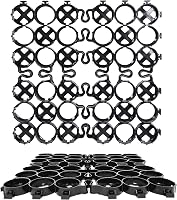
Vodaland HexPave is a 1-inch-deep recycled plastic grid set covering 65 sq ft. Vodaland recommends filling its cells completely with sand or gravel 1/2 inch or smaller, and says its capacity depends on the base and fill used.
Check the grid's coverage against your planned footprint and read the shed instructions before using one. Skip it if the site needs a deeper engineered base or you cannot prepare a firm, level surface beneath the grid.
How do you keep the base flat while adding stone?
Use a level border and check the surface in more than one direction. A long straightedge helps reveal humps and dips that are hard to spot by eye.
Set the border before filling, and check the top edges for level. Add stone in manageable layers, compact each one, then use a rake and straightedge to bring the surface even.
Work across the full base rather than compacting only the edges. Recheck corners and the center after each layer; a small hollow can collect water or leave part of the shed floor unsupported.
If the ground is uneven, remove or add material across the footprint instead of tilting the shed base. For broader site-prep steps, use our guide to shed prep and care.
Could a deeper ground grid help on soft or sloped ground?
A deeper grid may help hold fill in place on uneven terrain, but it cannot fix poor drainage or replace proper site preparation. Check that your shed maker allows this kind of base and that the ground beneath it is firm.
VEVOR's ground grid is 2 inches deep and measures about 27 x 4 ft. Its honeycomb cells are designed for fill such as gravel, soil, or sand, and the grid can be cut and joined to fit a project.
Plan the grid's coverage and anchoring before you spread it. If water flows across the slope or soil keeps washing out, address the drainage and erosion first.
Should you use paver panels instead of loose gravel?
Permeable paver panels are an option when you want a contained surface with spaces for gravel fill. They still need a properly prepared, level aggregate base below them.
The PRO LITE Permeable Paver Base comes in a pack of 18 panels covering 72 sq ft. TRUEGRID says its panels are made from recycled HDPE and are intended for uses including shed bases; the company also describes them as permeable.
Compare panel coverage with your base dimensions and confirm that the shed's floor or frame can rest on the chosen surface. Loose gravel may be simpler if you want fewer components and your soil is firm and drains well.
How do you check drainage and water flow?
Keep water moving away from the base and prevent runoff from pooling at its edges. A level platform can still sit in a poorly drained spot if the surrounding yard funnels water toward it.
Before placing the shed, watch how rain moves across the area or use a small amount of water to check for obvious low spots. Correct hollows outside the base and avoid directing roof runoff toward nearby foundations or neighboring property.
Permeable grids allow water through their cells, but the soil below still needs to accept it. If the ground stays saturated, address the drainage problem before relying on gravel alone.
Does a shed with a floor frame still need a gravel base?
A floor frame does not remove the need for a suitable, level site. It supports the shed structure, while the ground below must still be stable and prepared according to the shed instructions.
The Patiowell 8x6 Metal Shed with Floor Frame includes a steel floor frame, but its base is not included. Patiowell says the frame helps provide a stable, level foundation and notes that you may need to build the base yourself.
Check the assembly instructions for the required foundation and anchoring method before setting the frame. For a resin model, see what to put under a resin shed for material options.
What common mistakes make a gravel shed base settle?
The most common causes are leaving organic soil in place, skipping compaction, and letting water collect around the base. Each can lead to movement that shows up as a low corner or uneven floor.
Avoid these errors:
- Building over sod, roots, or loose topsoil.
- Using rounded pea gravel as the full structural layer.
- Adding the full depth of stone without compacting in stages.
- Failing to contain the edges with a firm border.
- Ignoring soft spots or drainage paths.
- Assuming a grid can correct a poorly prepared site.
Once the shed is installed, check the doors and floor for signs of movement after heavy rain. If the base shifts, find the cause before adding more gravel on top.
Which gravel shed base approach should you choose?
Choose compacted crushed stone for a straightforward base on firm, well-drained ground. Consider a grid when containing fill suits the site, and use a deeper grid only after checking the ground, drainage, and shed instructions.
Measure the footprint before estimating stone or panel coverage. If your site has soft soil, a noticeable slope, or persistent standing water, ask a local contractor or aggregate supplier about a base that suits those conditions.
For general shed styles and yard planning, see backyard storage sheds and deck boxes. For more base ideas, browse our guide to plastic sheds and shed base ideas.
Frequently asked questions
What gravel size is best for a shed base?
Use compactable crushed stone with a mix of sizes so smaller pieces can lock between larger ones. Avoid rounded pea gravel as the main base layer because it shifts more easily.
If you use a grid, follow its fill guidance; Vodaland recommends gravel 1/2 inch or smaller for HexPave.
How deep should a gravel shed base be?
Depth depends on soil, drainage, frost, shed size, and local requirements. Remove organic topsoil and soft spots, then build a stable compacted layer suited to the site rather than assuming one depth fits every yard.
Check the shed manual and local rules before you dig.
Should a gravel base be bigger than the shed?
Yes, a base that extends beyond the shed walls gives the structure consistent support and helps keep soil and splashback away from the edges. Plan the border and finished stone area together, then confirm the shed's required footprint and any access clearances.
Do I need a frame around a gravel shed base?
A firm border helps keep gravel from spreading and gives you a clear edge to level against. Use material suited to your site and anchor it securely, while keeping the finished base level and drainage directed away from the shed.