How to Secure a Shed Door Against Break-Ins
Secure a shed door by fitting a weather-rated hasp and lock, reinforcing weak hinges, and anchoring the shed as its maker directs. Keep valuables out of sight and check the door and frame for gaps or damage.
On this page (9 sections)
- How do you secure a shed door against break-ins?
- Which lock and hasp should you use?
- How can you reinforce hinges and exposed screws?
- Does the shed material change how you secure its door?
- Should you anchor the shed to improve security?
- How can you make a shed less tempting to break into?
- How do you maintain shed door security?
- What should you do if a shed has already been broken into?
- How to secure a shed door with the right setup
Secure a shed door with a weather-rated lock and hasp, reinforce weak hinges, and anchor the shed as its maker directs. Keep tools out of sight, maintain a clear view of the door, and check the frame and fasteners for wear.
Start with the door itself. A strong lock cannot help much if its screws pull out of thin material or the door flexes away from the frame.
How do you secure a shed door against break-ins?
Fit a lock and hasp through solid door and frame material, then reinforce the hinges and check the door's fit. Choose hardware made for outdoor use and compatible with your shed's material.
Close the door and look for gaps around the latch, hinges, and lower edge. If it rattles or bows, fix the alignment before adding hardware.
Use screws long enough to engage sturdy framing, where the shed design allows it. Follow the shed maker's instructions, since drilling into a panel can weaken it or create a path for water.
A lock is one layer of security. Good visibility, sensible storage, sound anchoring, and regular checks also make it harder for someone to enter unnoticed or quickly carry items away.
Which lock and hasp should you use?
Use a weather-resistant padlock with a sturdy hasp that fits the door and frame. The hasp should sit flat, close securely, and attach to solid material.
Choose hardware with a shackle that fits through the hasp without leaving much room to pry. A covered or shrouded shackle can make access harder, though it does not make a shed secure by itself.
Check how the lock and hasp sit when the door is shut. The door should still open and close without scraping, and the hardware should not block any built-in latch or emergency access.
Avoid relying on a small latch that can be opened with a simple lift or twist. If your shed came with a lock point, check its manual for compatible hardware before modifying the door.
How can you reinforce hinges and exposed screws?
Protect the hinge side as well as the latch side. A door can be vulnerable if its hinges or fasteners are easy to reach from outside.
Inspect hinge screws for looseness, rust, or stripped holes. Replace worn fasteners with hardware suited to the frame material, and use security screws where the shed's design allows them.
Some hinges have removable pins. A non-removable pin or a hinge-side security stud can help prevent the door from lifting off, but only use parts that fit the shed and do not bind the door.
Don't add a long screw through a thin wall panel and assume it will hold. The screw needs to engage sound framing, and extra holes should be sealed with a material suitable for the shed.
Does the shed material change how you secure its door?
Yes, steel and resin doors need different hardware choices and fastening methods. Use the shed maker's instructions to avoid cracking panels, distorting the frame, or creating leaks.
A steel shed may have a framed door and built-in latch points. Confirm where the frame sits before fitting a hasp, and protect cut or drilled edges as the maker directs.
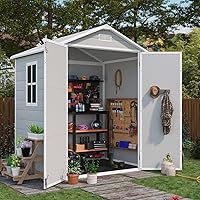
This Aoxun model is a steel shed with a plastic floor frame. Its built-in latch and hinges are features to consider, but they don't replace checking the installation, fit, and anchoring.
Resin sheds can flex more than a rigid framed door, so avoid overtightening hardware or drilling without guidance. A compatible built-in lock point may be preferable to attaching a heavy hasp to a thin panel.
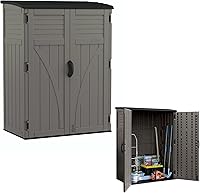
The Manor 4x6 is polypropylene resin reinforced with steel. Check its instructions before adding hardware, especially if a fastener would pass through a door panel.
Should you anchor the shed to improve security?
Anchor the shed according to its manual and the surface beneath it. A locked door is less useful if the whole shed can shift or tip.
Choose an anchor method that suits the base and local conditions. Check the shed's instructions for allowed anchor points, then inspect them after strong wind or ground movement.
This Aoxun 10x12 model has a reinforced floor foundation and padlockable double doors. Those features can support a secure setup, but correct assembly and anchoring still matter.
Keep the area around the shed clear enough to inspect fasteners and the base. If the shed sits on a raised or uneven foundation, address that before relying on its door hardware.
How can you make a shed less tempting to break into?
Keep high-value tools out of view and make the door visible from the house or a lit area. These steps can reduce opportunity even when someone can see the shed.
Store smaller valuables in a locked cabinet inside the shed, or take them indoors if they are costly or hard to replace. Avoid leaving packaging or tool cases in plain sight through a window.
Trim plants that hide the door and keep the approach free of clutter. Motion-activated lighting can improve visibility at night, but place it where it lights the entrance rather than shining into a neighbor's windows.
Record serial numbers and keep photos of valuable equipment in a separate location. If something is stolen, that information may help with a report or insurance claim.
How do you maintain shed door security?
Inspect the lock, hinges, frame, and anchors several times a year and after severe weather. Fix looseness, corrosion, or damage before it creates an easy point of entry.
Apply a lock lubricant recommended for the lock, and clear dirt from the hasp. Replace a bent hasp or a lock that no longer closes cleanly.
Check the door's alignment and weather seals, too. Our guide to keeping a shed dry through every season covers signs of leaks and damp conditions that can affect stored gear.
If you find rust on steel panels or fasteners, address it early. See how to slow rust on a metal shed for care steps.
What should you do if a shed has already been broken into?
Document the damage, contact local authorities if items were stolen, and repair the entry point before storing valuables again. Replace compromised locks and fasteners rather than reusing bent or stripped hardware.
Take photos before cleaning or moving items, and note serial numbers or distinguishing marks for missing tools. Check nearby sheds, gates, and access routes for damage as well.
Once the door closes squarely again, fit compatible hardware and verify that the shed is anchored. If rodents also get inside, how to keep mice out of a shed covers gaps and entry points to check.
How to secure a shed door with the right setup
To secure a shed door, start with a well-fitted door, a weather-rated lock and hasp, and hinges fixed into sound material. Add anchoring and clear sightlines, then inspect the setup regularly.
Choose hardware that matches the shed material and follow its assembly guidance. For broader storage and upkeep advice, start with our shed prep and care guide.
Frequently asked questions
How do I secure a shed door?
Fit a weather-rated lock and hasp through solid door and frame material, then reinforce hinges and exposed fasteners. Check that the door closes without gaps, and anchor the shed as its manufacturer directs.
A lock helps deter casual access, but it cannot make a shed fully theft-proof.
What is the best lock for a shed door?
A weather-resistant padlock paired with a sturdy hasp is a common choice for a hinged shed door. The hasp, screws, door, and frame all need to resist pulling, so use hardware suited to the shed material and follow the shed maker's guidance.
Should I put a padlock on a shed?
A padlock can help control access, especially when paired with a hasp fixed into solid material. It may also signal that tools are stored inside, so keep valuables out of sight and consider lighting or a view from the house.
No lock prevents every break-in.
How can I secure a shed without drilling?
Use the built-in lock points if your shed has them, and ask the manufacturer which add-on hardware fits before drilling or clamping anything to a panel. Improve visibility, store valuable tools elsewhere, and keep the area around the door clear.
Avoid improvised restraints that could block emergency access.