How to Keep a Shed Dry Through Every Season
To keep a shed dry, start with a sound base, clear roof drainage, sealed gaps, and steady airflow. Check for leaks after heavy rain, then dry damp areas before storing items again.
On this page (8 sections)
- How do you keep a shed dry?
- How can you keep rain from getting under the shed?
- How do you find and stop shed leaks?
- How does airflow help keep a shed dry?
- What should you do when condensation forms?
- Which shed features can help keep stored items dry?
- How should you care for a shed through each season?
- What is the simplest routine for a dry shed?
To keep a shed dry, start with a sound base, clear roof drainage, sealed gaps, and steady airflow. Check for leaks after heavy rain, then dry damp areas before storing items again.
A shed can get damp from rain entering at the roof, door, or floor, and from humid air condensing on cool surfaces. Work from the ground up, then check the inside after weather changes.
How do you keep a shed dry?
Keep water away from the base, stop leaks at their entry points, and let moist air escape. These steps address both rainwater and condensation.
Start by checking that the shed sits level on a stable base. The doors should open and close without binding, and the roof should direct water away from the walls rather than toward a low spot.
For base options and setup details, see how to build a gravel shed base. If the ground slopes, how to level ground for a shed explains how to prepare the site.
How can you keep rain from getting under the shed?
A level, stable base helps keep the floor supported and reduces places where water can collect. Check the area after rain to see whether puddles form beside or beneath the shed.
Clear leaves and soil from the shed's perimeter so water can flow away. If the base is settling or the floor feels uneven, fix the support before trying to seal gaps around the floor.
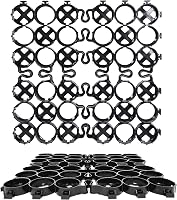
The PRO LITE Permeable Paver Base is a grid option for a prepared shed base. It does not replace a level, well-drained foundation; follow the maker's installation guidance for the surface and aggregate beneath it.
How do you find and stop shed leaks?
Look for water marks, damp corners, and light around seams after rain. Trace a wet spot upward or outward to find where water may be entering.
Inspect roof edges, panel joints, door corners, fasteners, and any window or vent. Repair loose or damaged parts with materials suited to the shed's construction, following the manufacturer's instructions.
Don't seal a vent or drain path to stop a leak. If water comes in around a door, check that the shed is level and the door closes squarely before adding weather stripping.
How can you make a shed more weatherproof?
Close gaps that let wind-driven rain enter while keeping intended vents open. Use exterior-rated sealant or weather stripping only where it fits the shed material and the manufacturer's guidance.
Check seals at the roof and corners at the start of wet weather. Replace cracked or loose sealing material, and keep the doorway clear so water doesn't collect against the threshold.
How does airflow help keep a shed dry?
Airflow helps damp air escape and can reduce musty smells and condensation. Keep built-in vents open and clear of boxes, tools, or covers.
Leave a small gap between stored items and the walls. Let wet tools, cushions, and garden gear dry before storing them, and avoid packing the shed so tightly that air cannot circulate.
If the shed has no vents, check the maker's guidance before adding one. Cutting into a wall or roof can create a new leak if the opening is not fitted and sealed correctly.
What should you do when condensation forms?
Dry the affected surface, improve airflow, and reduce damp items inside. Then check whether the moisture returns after the next change in temperature.
Condensation often shows up on the underside of a roof or on a wall facing a cooler area. A leak is more likely if one spot repeatedly gets wet after rain, so inspect the matching roof seam or panel joint.
Avoid placing cardboard directly on the floor or against an exterior wall. Store vulnerable items in sealed containers or raise them on a stable shelf, leaving room for air to move.
Which shed features can help keep stored items dry?
A sloped roof, ventilation, and an included floor can help with everyday storage, but site drainage and upkeep still matter. Choose a shed based on the space, items, and base you can provide.
The Patiowell 6x4 Plastic Shed with Floor has a sloping roof, ventilation panels, a window, and a plastic floor. Those features suit a reader who wants an enclosed shed for yard gear and a built-in floor.
The Patiowell 6x4 Resin Shed with Floor lists the same useful features: a sloping roof, vents, window, and included floor. Compare the footprint with your prepared site and keep the area around the shed clear for drainage.
For a smaller storage area, the Suncast 54 Cu Ft Vertical Shed has a reinforced floor and water-resistant resin construction. Its vertical shape is suited to long-handled tools, and its shelf notches can fit up to 3 shelves, which are not included.
Keep gear off the floor when dampness is a concern, and leave the vents unobstructed. A shed's materials cannot compensate for standing water, blocked airflow, or a damaged roof seam.
How should you care for a shed through each season?
Check drainage and seals before the wet season, then inspect the interior after major storms. Small repairs are easier before water reaches stored items.
In spring, remove leaves and debris from around the base, inspect roof edges, and look for loose seals. In summer, keep vents clear and check for condensation after humid nights; how to keep a shed cool in summer covers heat and airflow.
Before winter, remove wet leaves and make sure rain and melting snow have a path away from the shed. For a metal structure, look for chipped coatings or rust spots and see how to slow rust on a metal shed.
What is the simplest routine for a dry shed?
Keep the base level, water flowing away, seals intact, and vents open. After heavy rain, inspect the floor and walls, dry anything damp, and move vulnerable items off the floor.
Choose a shed with features that fit your storage needs, but prepare the site first. For a larger setup plan, start with backyard storage sheds and deck boxes.
Frequently asked questions
How do I keep a shed dry in heavy rain?
Keep rain moving away from the shed: clear gutters or roof edges, check the roof and door seals, and make sure water drains away from the base. After a storm, look for fresh damp spots inside and dry them before putting items back.
Should a shed be airtight to keep moisture out?
No. Closing visible gaps can block wind-driven rain, but some airflow helps damp air escape.
Keep vents clear, avoid blocking them with stored items, and use a suitable vent if the shed has none.
What should I put under items in a shed?
Raise items that could be damaged by a damp floor on shelves, pallets, or another stable support. Leave space between stored items and the walls so air can move, and avoid covering wet gear before it dries.
Why is there condensation inside my shed?
Condensation can form when moist air touches a cooler roof or wall. Improve airflow, avoid bringing in wet items, and check whether water is also entering through a leak or around the base.