Are Resin Sheds Any Good? A Plain Look
Resin sheds are a good choice for low-maintenance outdoor storage when you want panels that resist rot and rust and don't need painting. Their limits are size, assembly, and the need for a level, well-supported base.
On this page (7 sections)
- Are resin sheds any good for everyday storage?
- What are the main advantages of a resin shed?
- What are the drawbacks of resin sheds?
- Which resin shed size suits your storage?
- How can you tell if a resin shed fits your yard?
- How should you assemble and maintain a resin shed?
- Are resin sheds any good for your yard?
Resin sheds are a good choice for low-maintenance outdoor storage if you want panels that resist rot and rust and don't need painting. They still need a flat, stable base, careful assembly, and a size that fits both your yard and your gear.
A resin shed can be a useful home for tools, patio items, or bins. It won't solve every storage problem, though: the right pick depends on what you'll store, how much room you have, and what conditions the shed must handle.
Are resin sheds any good for everyday storage?
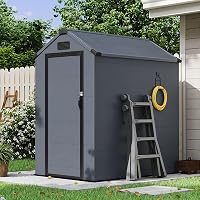
Yes, resin sheds work well for everyday storage when the model's space and design fit your gear. Many use plastic panels made to resist moisture and sun exposure, with features such as vents, windows, reinforced floors, or lockable doors depending on the model.
They can hold lawn tools, outdoor cushions, and seasonal items without the routine painting associated with wood. Resin won't rust like steel, but that doesn't mean the whole shed is maintenance-free: you still need to keep the base stable, clear debris, and check doors and fasteners.
Think about how you'll reach what you store. A walk-in shed with wide doors suits bulky equipment better than a tall cabinet or a low horizontal box.
For a comparison of materials, see resin vs metal sheds. If you're weighing upkeep against wood, plastic sheds vs wooden sheds covers the differences.
What are the main advantages of a resin shed?
Low upkeep and resistance to rot and rust are the main draws. Many resin models are made with weather-resistant, UV-protected panels, and some include reinforcement or a floor.
- No routine painting: Resin panels don't need paint to protect them from rot.
- No rusting panels: Plastic doesn't rust like bare steel.
- Simple cleaning: Dirt on the exterior can often be rinsed or wiped away, following the care instructions.
- Flexible formats: Resin storage comes as walk-in sheds, upright cabinets, and lower units with hinged lids.
Features vary by model, so check the dimensions and details against your intended use. For example, the Keter Manor 4x6 has polypropylene resin panels with steel reinforcement, a skylight, and a window.
Measure large items and the doorway before choosing a walk-in shed. The Manor's exterior dimensions are 51.2 in wide, 75.6 in deep, and 78 in high, while its interior is smaller.
What are the drawbacks of resin sheds?
The main drawbacks are their dependence on a level base, assembly demands, and limits in size or structure. A shed can be hard to assemble correctly if its parts don't line up, and a crooked base may affect how its doors fit.
Resin panels also vary in thickness and reinforcement. Compare the construction rather than assuming that every plastic shed will handle the same loads or weather.
Don't assume a shed is windproof or ready for heavy snow because it is sold for outdoor use. Follow the model's setup and anchoring instructions, and check any limits that matter for your location.
For a walk-in model, plan room to open the doors and move items in and out. A vertical cabinet saves floor space, but it won't fit every bulky item.
Do resin sheds need a base?
Yes, plan for firm, level support under a resin shed. The exact base depends on the shed and site, so check the assembly instructions before preparing the area.
A level surface helps the floor and panels fit as intended. It also makes opening and closing doors easier than setting the shed on uneven soil or soft ground.
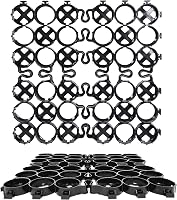
Our guide to what to put under a resin shed explains common base options. For a general setup, see how to level ground for a shed.
Which resin shed size suits your storage?
Match the shed's shape and usable space to the largest items you plan to store. Exterior dimensions alone don't tell you whether a mower, bin, or long-handled tool will fit through the opening and inside.
A compact vertical shed can suit upright tools and gardening supplies. The Suncast 54 Cu Ft Vertical Shed is 71.5 in high, with a 46.25 in wide opening and a reinforced floor; its shelf notches support up to 3 shelves, which are not included.
Measure the available footprint and the items you need to store. Also account for space to open the doors and stand in front of the shed.
A low horizontal unit may suit patio gear or trash cans. The Keter Store-It-Out Prime opens from the top and front, has ventilation panels, and can hold up to two 32-gallon trash cans.
Choose a walk-in design when you need access for a mower, bike, or several larger items. The Aoxun 4x6 is described as having double-wall resin panels, a reinforced base, vents, and a lockable door.
How can you tell if a resin shed fits your yard?
Check the footprint, access route, base, and local exposure before you buy. A shed may fit the open patch of yard but still block a path, fence gate, or window when its doors are open.
Measure the proposed spot and the route from your driveway or gate. Compare those measurements with the shed's full exterior dimensions, door opening, and assembly instructions.
Choose a location where water can drain away. Keep enough clearance to reach the doors and clean around the exterior, and follow the maker's instructions for anchoring.
If the shed will sit on a patio, make sure the surface is level and can support the shed and its contents. A base helps the shed sit correctly, but it doesn't replace proper anchoring where required.
How should you assemble and maintain a resin shed?
Follow the model's instructions in order and prepare its base before assembly. Sort the parts, use the required fasteners, and avoid forcing panels into place when holes or edges don't line up.
Assembly may take more than one person, especially for a larger walk-in shed. Check the instructions for tools and help requirements, then learn how to assemble a resin shed before you begin.
After setup, clear leaves and soil from around the base. Check the doors, hinges, locks, and visible fasteners periodically, and clean the panels as the maker directs.
Keep heavy items on a supported floor and avoid leaning them against panels unless the instructions allow it. Secure the shed as directed, especially where wind exposure could be a concern.
Are resin sheds any good for your yard?
A resin shed is a sensible fit when low upkeep matters and the model matches your gear, space, and local conditions. Pick a walk-in design for bulky items, a vertical cabinet for upright tools, or a low unit for bins and patio supplies.
If you need a sturdier feel or a different structure, compare the materials in resin vs metal sheds. Before setting up a resin model, use what to put under a resin shed to plan a level base.
Frequently asked questions
Are resin sheds durable?
Resin sheds can suit regular outdoor storage because many use weather-resistant panels and don't rot or rust like untreated wood or steel can. Durability still depends on the shed's construction, assembly, base, and exposure.
Check the specific model's UV protection, reinforcement, anchoring needs, and warranty before choosing.
Do resin sheds need a foundation?
A resin shed needs firm, level support beneath its floor or frame. The exact base depends on the model and site, but uneven support can make assembly harder and doors less likely to align.
Prepare the ground and follow the shed maker's foundation and anchoring instructions.
Can a resin shed stay outside all year?
Many resin sheds are designed for outdoor use and include weather resistance or UV protection, but that doesn't make every model suitable for every climate. Check its instructions for wind, snow, anchoring, and care, and keep water draining away from the base.
What are the downsides of resin sheds?
Resin sheds can have limited size choices, require careful assembly, and depend on a level base for a good fit. Their plastic panels may also feel less solid than a wood or metal structure.
Compare the model's dimensions and reinforcement with the items and weather conditions you need to accommodate.