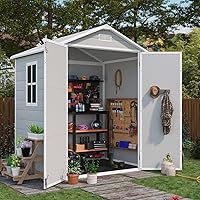
Do Metal Sheds Rust? How to Slow It Down
Yes, metal sheds can rust when moisture and oxygen reach exposed steel. Keep the shed dry, protect scratches and cut edges, and deal with rust spots early.
On this page (9 sections)
- Why do metal sheds rust?
- Do galvanized steel sheds rust?
- What parts of a metal shed should you inspect?
- How can you slow rust on a metal shed?
- How do you remove rust from a metal shed?
- Can you prevent rust completely?
- What should you compare before buying a metal shed?
- How often should you check a metal shed for rust?
- Do metal sheds rust, and what should you do next?
Yes, metal sheds can rust when moisture and oxygen reach exposed steel. Keep the shed dry, protect scratches and cut edges, and deal with small rust spots early.
Many steel sheds use coatings or galvanized steel to resist corrosion. Those protections can help, but scratches, damaged seams, standing water, and neglected maintenance can still leave steel vulnerable.
Why do metal sheds rust?
Metal sheds rust when water and oxygen reach steel, especially where a coating has worn or been damaged. Dirt and debris can hold moisture against the surface and make it harder for panels to dry.
Rust often starts around scratches, cut edges, fasteners, door openings, and the lower edges of wall panels. A leak or splashback from the ground can also keep a small area damp.
Galvanized steel has a zinc coating that helps protect the steel beneath it. That protection can wear down or become less effective where the coating is scratched or damaged, so inspect those areas instead of assuming the material is rustproof.
Do galvanized steel sheds rust?
Yes, galvanized steel sheds can rust, though the zinc coating is meant to help protect the steel. Its condition matters: damage, wear, or moisture that remains on exposed metal can lead to corrosion.
Check the care instructions for the shed before using cleaners, abrasives, primers, or paint. A coating made for another metal or surface may not bond well or may affect the existing finish.
The Patiowell 6x4 Metal Shed uses galvanized steel sheet, and Patiowell describes it as rust resistant. That wording indicates resistance, not a promise that rust cannot occur.
Before choosing a shed, think about the site as well as the finish. A dry, level base and room for water to drain away can help reduce moisture around the lower panels.
What parts of a metal shed should you inspect?
Start with the roof, seams, fasteners, door edges, and lower panels, where water or coating damage may be easier to miss. Look for bubbling paint, orange or brown marks, peeling coating, and damp debris.
Inspect after heavy rain and at the start of each season. Open the door and check for water stains or dampness inside, too.
Pay particular attention to:
- Roof edges and seams: look for gaps, lifted edges, or signs of a leak.
- Fasteners and exposed screws: check for rust marks or damaged coating nearby.
- Door frames and hinges: clear dirt and check for scrapes from repeated opening.
- Panel bottoms: remove leaves, soil, and other material that traps moisture.
- Corners and cut edges: look for bare metal or chipped finish.
Avoid scraping or sanding a sound coating just to see what lies underneath. If you find damage, check the shed maker's instructions before making a repair.
How can you slow rust on a metal shed?
Keep the shed dry and protect any damaged coating promptly. A few routine checks can help you find places where water collects before rust spreads.
Does a good shed base help prevent rust?
A stable, well-drained base helps keep the shed's lower edges away from standing water and wet soil. Follow the shed maker's instructions for the base and anchoring, and make sure water can drain away from the structure.
Clear the perimeter after rain, especially if leaves, mulch, or soil have built up against the panels. Our guide to building a gravel shed base that stays flat explains one base option, while how to level ground for a shed covers the ground beneath it.
Don't place the shed where roof runoff or water from a downspout pools around the base. Redirect drainage safely without sending water toward a neighbor or building.
How should you clean and dry the panels?
Remove loose dirt and leaves with a soft brush or a cleaning method the maker allows. Rinse only if the shed instructions permit it, and avoid leaving water in seams or around fasteners.
Don't use harsh chemicals or abrasive tools unless the care instructions say they are safe for the finish. After cleaning, check that water drains away and let the panels dry.
For broader moisture control, see how to keep a shed dry through every season. Fix leaks and blocked drainage before adding any interior storage that could hide a damp area.
What should you do about scratches and chipped paint?
Treat coating damage as soon as you find it, using a repair method compatible with the shed's material and finish. Clean and dry the spot first, then follow the shed maker's instructions for touch-up products.
Don't paint over loose rust or dirt. A coating applied over an unprepared surface may not protect the metal well.
If the shed maker doesn't specify a repair product, ask what primer and finish are suitable for that model. Keep records of the shed's color and finish details if you may need to match them later.
How do you remove rust from a metal shed?
For a small surface spot, remove loose rust, clean and dry the area, then apply a compatible protective coating. Follow both the shed maker's care instructions and the coating maker's preparation and drying directions.
A general approach is:
- Check the shed instructions for approved repair methods.
- Clear dirt and loose material from the affected area.
- Remove only loose rust with a suitable tool, taking care not to damage sound coating.
- Clean away dust and let the surface dry fully.
- Apply a compatible metal primer and touch-up coating as directed.
- Check the repair after it has dried, and inspect the area again later.
Wear suitable protective gear and work in a well-ventilated area as the product instructions require. Don't use a power tool or chemical rust remover unless its instructions allow the application and you can protect nearby surfaces.
Rust that has caused holes, spread across a large area, or reached a structural part needs more than a quick touch-up. Contact the shed maker or a qualified repair professional for advice.
Can you prevent rust completely?
No maintenance routine can guarantee that a steel shed will never rust. Coatings and galvanized finishes help resist corrosion, while routine checks help you catch damage and moisture early.
The Gizoon 6x4 Metal Shed is made from galvanized steel and has a sloped roof and vents. Those features may suit someone comparing coated metal sheds, but they don't remove the need to inspect and care for the panels.
A vent can help air move through a shed, but ventilation alone won't fix a leak or standing water. Keep the interior organized so you can see the walls and floor when checking for dampness.
What should you compare before buying a metal shed?
Compare the material, drainage, ventilation, base needs, and care instructions alongside the size and access you need. A rust-resistant finish is useful, but the installation site and upkeep still matter.
The Aoxun 6x4 Metal Shed is described as galvanized steel with a sloped roof and air vents. Its doors are pad-lockable, and its assembly instructions call for two people.
The metal shed assembly guide covers setup concerns such as avoiding bent panels. For a broader look at tradeoffs, read are metal sheds worth it?.
Check whether a base is included and what preparation the shed requires. The Patiowell shed, for example, doesn't include a base, so plan for that extra step before installation.
How often should you check a metal shed for rust?
Inspect the shed a few times a year and after storms, leaks, or accidental impacts. A quick check can catch wet debris, a loose panel, or a fresh scratch before the problem grows.
Check the inside as well as the outside. A damp floor, water stain, or musty smell can point to a leak or poor drainage that needs attention.
If rust keeps returning in the same place, look for the source of moisture instead of repeating the same patch. Repairing a leak or changing how water drains may matter more than another coat of paint.
Do metal sheds rust, and what should you do next?
Metal sheds can rust, but you can slow it by keeping water moving away, cleaning off damp debris, and repairing coating damage early. Check roof seams, fasteners, doors, and the lower panels as part of routine care.
If your site stays wet, start by fixing drainage and checking the base. If you're comparing shed materials, use resin vs metal sheds to weigh maintenance alongside other differences.
Frequently asked questions
Do galvanized metal sheds rust?
Yes, galvanized steel can rust if its protective coating is damaged or moisture stays on exposed areas. Keep panels clean and dry, check scratches and cut edges, and follow the maker's care instructions.
Galvanizing helps protect steel, but it doesn't make a shed immune to rust.
How do you remove rust from a metal shed?
For a small spot, remove loose rust with a suitable abrasive, clean and dry the area, then apply a compatible primer and touch-up coating. Follow the coating maker's directions and the shed maker's care guidance.
Widespread rust, holes, or damage to structural parts may need professional repair or panel replacement.
What causes a metal shed to rust?
Rust forms when steel is exposed to moisture and oxygen, especially where a coating is scratched, chipped, or worn away. Water that collects around the base, debris that holds moisture against panels, and leaks can make those areas stay wet longer.
Regular checks help you find trouble early.
Can you prevent a metal shed from rusting?
You can slow rust by keeping the shed dry, clearing leaves and dirt, fixing leaks, and protecting damaged coating with compatible touch-up products. Check the roof, seams, fasteners, door edges, and lower panels after wet or stormy weather.
No coating or maintenance routine can guarantee that steel will never rust.