Backyard Storage Sheds and Deck Boxes: Where to Start
Choose a shed for larger or varied gear, and a deck box for compact items you want close at hand. Measure the storage spot, access route and largest items before you compare materials or features.
On this page (8 sections)
- Should you choose a shed or a deck box?
- How do you estimate the space you need?
- Which shed material should you consider?
- What should you check about the shed base?
- When is a deck box enough?
- How should you compare access and security?
- What should you measure before buying?
- Which backyard storage should you choose?
Backyard storage sheds and deck boxes help organize outdoor gear, but they suit different loads and locations. Start with what you need to store and where you need it, then compare the size, access, base and material.
A walk-in shed can hold a mix of tools and equipment, while a compact shed or deck box can keep select items close to a patio. Check the footprint and access before choosing a style.
This guide covers the main decisions, from picking a storage type to preparing the spot. For a smaller yard, our guide to small outdoor storage sheds can help you compare compact options.
Should you choose a shed or a deck box?
Choose a shed for larger items or several kinds of gear, and a deck box for compact items you want to reach from a patio or pool area. The best fit depends on the objects, available space and how you use them.
| Storage option | A good starting point for | Check before choosing |
|---|---|---|
| Walk-in shed | Lawn tools, bikes and assorted yard equipment | Footprint, doorway, floor or base, and installation |
| Compact outdoor shed | Bins, garden tools or patio supplies | Interior access, lid or door clearance, and ventilation |
| Vertical shed | Long-handled tools and upright gear | Height, width, shelves and floor |
| Deck box | Cushions, pool accessories and small outdoor items | Interior dimensions, placement and lid access |
A shed takes more yard space, but can group different kinds of equipment behind a door. A deck box usually works best for a narrower set of things you can lift in and out from above.
For a closer look at the smaller style, read what a deck box is and whether you need one. If you're considering resin storage, our guide to what to put under a resin shed covers the base question.
How do you estimate the space you need?
Estimate storage space by measuring the largest items and the opening they must pass through. Capacity figures can help you compare, but they don't show whether your mower, cushions or tool handles will fit through the door.
Write down what you want to store and group it by use. For example, keep lawn care gear together, patio items together and seasonal items in a separate group.
Measure each bulky item at its widest and tallest points. Include handles, wheels and any space needed to pull it out without shifting everything around it.
Next, measure the outdoor spot and the route to reach it. Check gates, corners and nearby walls, then allow room for doors or lids to open and for you to stand while loading.
A compact vertical shed may use less ground area while providing room for long-handled tools. The Suncast 54 Cu Ft Vertical Shed has 54 cu ft of capacity, a reinforced floor and shelf notches for up to 3 shelves, not included.
Compare the listed outside dimensions with the actual installation spot. The Suncast measures 32.5 in deep, 41 in wide and 71.5 in high.
Which shed material should you consider?
Compare the features of each shed model, since material alone doesn't tell you everything about access, floor, ventilation or upkeep. Metal and resin both appear in outdoor storage, but their construction and included features vary.
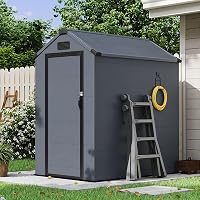
A metal shed can suit buyers who want a separate enclosure for larger equipment. The Patiowell 6x4 Metal Shed has a sloped roof, 4 vents and a lockable door; it does not include a base.
The Patiowell measures 48 in deep, 74.2 in wide and 74.4 in high. Its installation guidance recommends 2 to 3 people, so account for setup help when planning the site.
Resin sheds come in a range of shapes, from tall cabinets to compact units with top and front access. The Keter Store-It-Out Midi has a lift-up lid, wide front doors and 30 cu ft of storage; it is designed for items such as bins, garden tools and patio accessories.
For a more detailed material comparison, see resin vs metal sheds. If you prefer an enclosed resin structure, are resin sheds any good? looks at common trade-offs.
What should you check about the shed base?
Check whether the shed includes a floor or needs a separate base before you choose its location. A level, stable surface helps you plan the installation and use the doors as intended.
The Suncast vertical shed includes a reinforced floor. The Patiowell metal shed does not include a base, so its site plan needs to account for one.
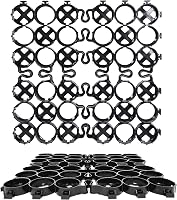
A base choice depends on the shed and the ground beneath it. Follow the model’s installation instructions, and avoid assuming that a bare patch of soil will work for every shed.
For a step-by-step look at site preparation, read how to level ground for a shed. Our guide to building a gravel shed base explains another common base option.
When is a deck box enough?
A deck box can be enough when your storage needs fit inside one lift-top container and you want those items near the patio or pool. It can keep cushions, towels or accessories together without using space for a full shed.
The Keter Kentwood holds 92 gallons and is designed for cushions, outdoor gear and pool accessories. Its lid locks, and the box is also designed for bench seating.
Measure your items while they are stacked for storage, then compare their dimensions with the box's interior. A single capacity figure cannot confirm that bulky cushions or tall objects will fit.
A box is less suited to gear that needs a tall opening or frequent access to several different items. If you have bulky equipment, compare a shed or vertical cabinet instead.
How should you compare access and security?
Compare how you load and retrieve your gear, then check the closure features that matter for your location. A useful storage unit should let you reach the items you use without making every trip a reshuffling job.
For a large shed, consider the door opening and whether your biggest item can pass through. For a compact unit, decide whether top access, front access or both will fit the space around it.
Lockable designs appear across these options. The Patiowell metal shed has a lockable door, the Keter Store-It-Out Midi has a lockable design, and the Kentwood box has a lockable lid.
A lock can help keep stored items closed away, but it doesn't tell you how secure the whole installation will be. Consider where the unit sits, how it is anchored if required, and which items you plan to store.
What should you measure before buying?
Measure the site, access route and storage items before settling on a model. This quick check helps you catch a tight gate, blocked lid or missing base early.
- Measure the ground area available, including room around the unit.
- Measure gates, paths and doorways along the route to the site.
- Measure the largest item you plan to store and the shed or box opening.
- Check lid and door clearance against fences, walls and nearby furniture.
- Confirm whether a floor is included or a separate base is needed.
- Review the setup guidance and arrange help if the installation calls for more than one person.
Keep the measurements together so you can compare models without relying on capacity alone. If a product's dimensions are close to your limit, check the exact measurements before you order.
Which backyard storage should you choose?
Choose a walk-in or compact shed if you need a dedicated place for larger gear or a mix of outdoor items. Choose a deck box if cushions and patio accessories are the main clutter and you want them close by.
If your next decision is site preparation, start with what to put under a resin shed. For a smaller enclosed option, compare small outdoor storage sheds.
Frequently asked questions
Should I buy a shed or a deck box?
Choose a shed if you need a separate place for larger or mixed outdoor gear, or a deck box if you mainly store cushions, pool items or small tools near a patio. Compare the items you want to store, the space available and how often you need access before choosing.
What should go under an outdoor storage shed?
An outdoor shed needs a firm, level base that suits its size and instructions. Some sheds include a floor, while others require you to provide a base; check that detail before planning the site.
Our guide to what to put under a resin shed explains common base choices.
Is a metal or resin shed better for a backyard?
Neither material suits every yard. Compare the space and gear you have, the setup you can manage, and features such as ventilation, floor, access and lockable doors.
Metal and resin designs differ by model, so check each one’s actual features before deciding.
Can a deck box hold patio cushions?
A deck box can be a practical spot for patio cushions when its interior dimensions fit them and the box suits your placement. Measure the cushions when stacked, then compare that size with the interior dimensions.
Keep cushions dry before storing them.
How do I choose the right shed size?
List the items you plan to store, including the largest one, and measure their footprint and height. Then measure the shed site, door access and room to move items inside.
Leave space for access rather than choosing only by the shed’s stated capacity.