What to Put Under a Resin Shed
Put a firm, level base with good drainage under a resin shed, such as compacted gravel or a suitable concrete pad. Follow the shed maker's base requirements and prepare the site before assembly.
On this page (9 sections)
- What should you put under a resin shed?
- Is gravel a good base for a resin shed?
- Can you use pavers under a resin shed?
- Is concrete suitable under a resin shed?
- How do you prepare the ground for a shed base?
- How do you keep water from collecting under the shed?
- Which resin shed size affects the base plan?
- What should you avoid putting under a resin shed?
- How do you choose a base for your resin shed?
Put a firm, level base with good drainage under a resin shed, such as compacted gravel or a suitable concrete pad. Follow the shed maker's base requirements and prepare the site before assembly.
The right surface keeps the shed floor supported and helps prevent pooling water. Grass and loose soil can settle unevenly, so plan for a stable foundation before you put the shed together.
What should you put under a resin shed?
A resin shed needs a flat, stable surface that supports its floor evenly. Common choices include compacted gravel, concrete, or a paver system filled with gravel.
Check the shed's assembly instructions first. Some sheds have a floor, while others need a separate support surface; the required base size and material can vary.
Plan drainage along with levelness. Water should move away from the shed rather than collect under or around it.
For site preparation, see our guide to how to level ground for a shed. If you're still choosing a structure, backyard storage sheds and deck boxes explains where each type can fit.
Is gravel a good base for a resin shed?
Compacted gravel is a practical option when the site needs drainage. It can create a stable surface when you excavate the area, prepare the subgrade, and compact the aggregate evenly.
Use edging where needed to keep gravel contained. Check the finished surface with a level in several directions, and correct dips before placing the shed.
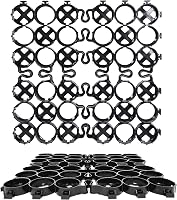
Vodaland's HexPave system uses recycled plastic grids and is intended for shed bases, patios, and walking paths. The company recommends filling the cells with gravel 1/2 in or smaller; the result depends on the base and fill used.
This option may suit a smaller shed area where you want a grid to hold the fill in place. Measure the planned base first, and confirm that the shed instructions allow this kind of foundation.
For a step-by-step preparation sequence, read how to build a gravel shed base that stays flat. It covers the groundwork that matters before setting a shed down.
Can you use pavers under a resin shed?
A permeable paver grid can support a gravel surface while allowing water through. It may be useful where you want a defined base area and need to manage runoff.
The PRO LITE system is made from recycled HDPE and is designed to be filled with aggregate. TRUEGRID describes it as suitable for shed bases and other outdoor surfaces.
A grid does not replace site preparation. Excavate and prepare the ground as the installation requires, then check that the filled surface is flat and fully supports the shed floor.
Choose a paver system only if its installation method suits your soil, slope, and shed instructions. If the yard drains poorly, address that before building the base.
Is concrete suitable under a resin shed?
A level concrete pad can provide a solid foundation, especially when the ground is firm and the pad is designed to drain appropriately. Make sure the pad dimensions match the shed's base requirements.
Concrete is less forgiving if the surface slopes or holds water. Plan the pad's slope and drainage before pouring, and allow it to cure as directed before assembly.
A concrete base can be more work than a gravel surface. Compare site conditions and the shed's instructions before choosing one.
How do you prepare the ground for a shed base?
Clear vegetation, establish the base outline, and make the surface level before adding materials. A sound base begins below the visible gravel or pavers.
- Mark the footprint using the dimensions in the shed instructions.
- Remove grass, roots, and loose organic material.
- Excavate to the depth needed for your chosen base.
- Check the subgrade for soft spots and correct them.
- Add the base material in manageable layers and compact it.
- Check levelness across the finished surface before assembly.
Don't build over buried roots or topsoil that can shift as it breaks down. If the site slopes, plan how to create a level base without directing water toward a building.
How do you keep water from collecting under the shed?
Give water a path away from the base and avoid low spots around the shed. Permeable gravel and paver systems can let water pass through, but the ground beneath still needs to drain.
Look for where rain naturally flows across the yard. Don't block an existing drainage route or raise the base in a way that sends water toward a home, fence, or neighboring yard.
Keep soil and mulch from piling against the shed walls. For broader moisture control, see how to keep a shed dry through every season.
Which resin shed size affects the base plan?
Measure the shed's base footprint, not just its advertised capacity. The dimensions in the assembly instructions determine how much prepared ground you need.
The Keter Manor 4x6 Resin Shed has exterior dimensions of 51.2 x 75.6 in. Its listed interior dimensions are smaller, so use the exterior footprint when planning the site.
The Manor is made from polypropylene resin with steel reinforcement. Its base still needs to be flat and prepared according to the shed instructions.
The Keter Premier Tall has exterior dimensions of 55.1 x 29 x 67.1 in and adjustable shelf brackets. Its compact footprint may suit a narrow site, but leave enough room to assemble and open the doors.
See are resin sheds any good? for a broader look at the material and its tradeoffs. To compare the main shed materials, read resin vs metal shed.
What should you avoid putting under a resin shed?
Avoid uneven ground, loose fill, and surfaces that stay wet. A shed placed on an unstable base can become difficult to assemble and may not support its floor evenly.
Don't assume a thin layer of gravel over grass is enough. Remove organic material, prepare the ground, and compact the base as required by the chosen system.
Avoid choosing a foundation solely because it is easy to install. Check the shed instructions and the site conditions, including slope and drainage.
How do you choose a base for your resin shed?
Choose compacted gravel for a straightforward draining base, a permeable grid when you want to contain gravel, or concrete when a solid pad best fits the site and shed requirements. The correct choice depends on soil, water flow, shed design, and preparation.
Start by checking the shed instructions and measuring its footprint. Then prepare a level site that supports the floor evenly and sends water away from the structure.
For the smoothest setup, settle the base plan before assembly day. Compare the steps in how to level ground for a shed and how to build a gravel shed base.
Frequently asked questions
Can you put a resin shed directly on grass?
Grass alone is usually a poor base because it can shift, soften, or hold water, leaving the shed uneven. Remove vegetation and prepare a firm, level surface that follows the shed maker's instructions.
Check drainage and the finished base dimensions before you assemble the shed.
Is gravel a good base for a resin shed?
Yes, a well-prepared gravel base can provide a firm, draining surface for a resin shed. Excavate the area, use suitable edging if needed, and compact the aggregate in layers.
Keep the finished surface level and check the shed instructions for any required floor support.
Do resin sheds need a concrete base?
Not always. Resin sheds can often sit on other firm, level bases, such as compacted gravel or a compatible paver system, but requirements vary by shed.
Read the assembly instructions before choosing materials, and make sure the base supports the floor evenly and drains well.
Should a shed base be bigger than the shed?
Use the base dimensions and clearance specified in the shed instructions. Some bases need to match the floor footprint, while others may need extra room for edging or assembly access.
Measure the shed's base area and the prepared site before buying gravel, pavers, or other materials.