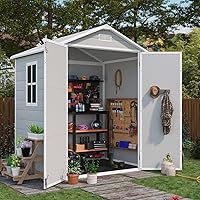
How to Keep a Shed Cool in Summer
Shade the shed, improve airflow, and reduce heat entering through the roof and walls. Keep the door closed during the hottest hours, add ventilation where practical, and move heat-sensitive items indoors.
On this page (8 sections)
Shade the shed, improve airflow, and reduce heat entering through the roof and walls to keep a shed cooler in summer. Close it during the hottest hours, and move heat-sensitive items to a more stable indoor space.
A shed can still get hot even with the door open. Start with shade, then use ventilation at cooler times of day so you aren't drawing peak afternoon heat inside.
How do you keep a shed cool in summer?
Block direct sun, let hot air escape, and limit heat entering through the roof. These steps work for both resin and metal sheds, though the best combination depends on the structure and its location.
- Add shade from a tree, shade sail, or other suitable covering.
- Open doors or vents in the cooler morning and evening.
- Close openings when outdoor air is hotter than the air inside.
- Use reflective or insulating materials only if they suit the shed's construction.
- Move temperature-sensitive supplies elsewhere.
Place a thermometer inside if you need to know whether the changes are helping. Check it at the same times on sunny days to compare conditions.
Where should you add shade?
Shade the roof first, then the walls that receive direct afternoon sun. A tree, freestanding shade sail, or nearby structure can reduce direct sun without changing the shed itself.
Leave room for airflow around the exterior. Don't attach a covering in a way that blocks vents, traps moisture, or conflicts with the shed's assembly instructions.
Keep branches clear of the roof and doors. For placement and outdoor protection, see our guide to keeping a shed dry through every season.
Can you plant a tree to shade a shed?
A tree can provide useful shade once its canopy grows, but it won't solve this summer's heat if it's still small. Choose a location that leaves clearance for roots, branches, maintenance, and access to the shed.
Avoid planting where falling limbs or persistent leaf buildup could damage the roof or block drainage. A temporary shade sail can help while a new tree grows.
When should you ventilate a shed?
Ventilate when the outdoor air is cooler than the shed air. Open the door or existing vents in the morning and evening, then close them when the air outside gets hotter.
Cross-ventilation works best when openings sit on different sides of the shed. Don't cut new openings without checking the shed maker's instructions, since changes can affect panel strength or weather resistance.
The DWVO shed has louvered vents and transparent side windows, features intended to support air circulation and bring in natural light. Its description says the vents help curb moisture buildup, but ventilation alone won't control temperature on a hot afternoon.
The Vongrasig metal shed also has side vents and a large acrylic window. Its window can bring in sunlight, so consider the shed's orientation and add exterior shade if direct sun falls on it.
Choose a shed with built-in vents if you want openings designed into the structure. Review how metal sheds handle rust and upkeep before choosing where to place a steel shed.
Does insulation help keep a shed cooler?
Insulation can slow heat moving through the roof and walls, but it doesn't remove heat by itself. Pair it with shade and airflow, and use materials that suit the shed's panels and ventilation.
Follow the shed maker's instructions before attaching insulation. Keep vents clear, avoid covering wet surfaces, and don't create gaps where condensation can collect.
Reflective coverings can reduce direct sun reaching the roof, while insulation can slow heat transfer through the structure. Both need to fit the shed's design, so don't assume a material made for a house roof is suitable for shed panels.
How do you keep a metal shed cooler?
Shade the metal roof and walls, then use ventilation during cooler hours. Metal panels can heat in direct sun, so reducing sun exposure is a practical first step.
A reflective roof covering may help limit solar heat, but use one intended for the roof material and installed in a way that won't trap water or obstruct airflow. Keep the shed's drainage paths and vents open.
The Vongrasig shed combines a metal body with side vents and a large window. That layout gives you openings for airflow, but shade still matters when the shed sits in direct sun.
Metal sheds need care where coatings are scratched or water gathers. Our guide to whether metal sheds are worth it covers practical tradeoffs.
What should you store in a hot shed?
Move heat-sensitive items to a cooler, more stable place. Check the storage directions on paint, aerosols, batteries, electronics, pet supplies, and chemicals before leaving them in a shed.
Don't store fuel or other flammable materials unless the container label and local rules allow it. Keep chemicals in their original containers, and don't place them where a leak could reach heat sources.
Tools and outdoor equipment may tolerate wider temperature swings, but check batteries and manuals for storage limits. A larger shed can make it easier to separate equipment from supplies that need different conditions.
The UDPATIO resin shed offers an 8 x 10 ft footprint and lockable doors, giving you room to arrange yard tools and other outdoor gear. Its resin construction is described as waterproof and corrosion resistant.
Keep items off the floor if water or dampness is a concern. For the surface below a resin shed, see what to put under a resin shed.
Can a fan cool a shed?
A fan can move air, but it won't make a shed cooler than the air it draws in. Use one only when outside air is cooler, and keep it protected from rain, dust, and contact with stored items.
Don't leave an ordinary indoor fan running in a damp or exposed location. Choose equipment rated for the environment, and follow its instructions for placement and power.
If the shed has no safe power source, rely on shade and natural ventilation instead. Keep cords away from doorways and areas where tools or water may damage them.
Which changes help most?
Start with shade, then adjust ventilation around the day's temperature. These changes don't require you to insulate or modify the shed, and they can show whether more work is needed.
If the shed still gets too hot, consider an exterior roof cover or compatible insulation after checking the structure's instructions. A thermometer can help you see whether the change improves conditions through the hottest part of the day.
For a shed in full sun, add shade first and ventilate only when outdoor air is cooler. If you store items with strict temperature limits, keep them indoors regardless of the shed's materials or size.
Frequently asked questions
How can I keep a shed cool in summer?
Shade the roof and walls, allow air to move through the shed, and keep the door closed during the hottest part of the day. Store heat-sensitive items indoors, and use a thermometer to see how hot the shed gets.
Avoid adding vents or changing the structure without checking its instructions.
Does ventilation cool a shed?
Ventilation can let hot air escape and bring in cooler air when outside conditions allow. Open doors or vents during cooler morning and evening hours, then close them when outdoor air is hotter.
Shade helps reduce the heat building up in the first place.
Are metal sheds hotter in summer?
A metal shed in direct sun can heat up quickly, especially when the roof has little shade or airflow is limited. Shade, ventilation, and insulation can help reduce heat buildup.
The actual temperature depends on the shed's location, materials, color, and weather.
What should I not store in a hot shed?
Move items that can spoil, melt, or become unsafe in heat to a more suitable indoor space. This can include some paints, aerosols, batteries, electronics, and heat-sensitive chemicals.
Follow each item's storage label, and don't rely on the shed to stay cool.