How to Keep Mice Out of a Shed
To keep mice out of a shed, seal gaps, store food and seed in closed containers, and remove clutter that gives mice shelter. Check the floor, door edges, vents, and roofline for openings, then inspect them regularly.
On this page (7 sections)
- How do you find where mice enter a shed?
- How can you seal gaps without blocking airflow?
- What should you remove from the shed?
- How can storage choices make a shed less inviting?
- How often should you check for mice?
- How do you keep mice out of a shed in winter?
- Which steps matter most for keeping mice out?
To keep mice out of a shed, seal gaps, store food and seed in closed containers, and remove clutter that gives mice shelter. Check the floor, door edges, vents, and roofline for openings, then inspect them regularly.
Mice can squeeze through small openings, so focus on the whole enclosure rather than the door alone. A clean shed with fewer food sources and nesting spots is easier to protect and monitor.
How do you find where mice enter a shed?
Inspect the shed from the ground up, looking for gaps around doors, corners, vents, and the floor. Check inside for droppings, shredded paper, gnaw marks, or disturbed packages that point to activity.
Look closely where walls meet the base and where panels join. Also check around pipes, cables, windows, and any openings added for ventilation.
A flashlight helps reveal light passing through small gaps. Check after wind or rain too, since shifted trim or a damaged door seal can create a new opening.
How can you seal gaps without blocking airflow?
Close openings mice can pass through, but keep the shed's intended vents clear. Use a repair material made for the shed's surface, and secure small holes with metal mesh and a suitable sealant when appropriate.
Foam alone may be chewed, so don't rely on it as the only barrier. For larger damage, replace the affected panel or trim rather than covering it with a loose patch.
Pay special attention to the door. A close fit and intact sweep help limit gaps at the bottom; see how to secure a shed door for ways to improve the door area.
Don't seal vents to stop rodents. Airflow helps limit stale, damp conditions, and blocking vents can create another problem.
For other moisture controls, read how to keep a shed dry.
What should you remove from the shed?
Remove food, nesting material, and piles that let mice hide undisturbed. Birdseed, grass seed, pet food, and stored snacks are common reasons to keep containers tightly closed.
Use sturdy containers with secure lids, and clean up spills promptly. Cardboard, fabric scraps, paper, and dried plant matter can also become nesting material, so store what you need in closed bins.
Keep boxes and equipment slightly away from the walls when possible. That leaves a visible strip for inspection and makes it harder for rodents to stay hidden.
Does the shed base affect mouse entry?
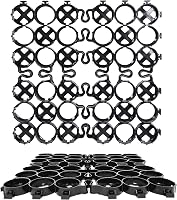
A level, well-fitted base makes it easier to spot and close gaps at the floor edge. Check that the shed sits evenly and that its floor or perimeter hasn't shifted away from the wall.
If you're preparing a new site, use our guide to how to level ground for a shed before assembly. For a loose-stone option, see how to build a gravel shed base.
A floor doesn't make a shed rodent-proof. Check the joints, door threshold, and surrounding ground for openings, and follow the assembly instructions so panels meet as intended.
How can storage choices make a shed less inviting?
Keep frequently used gear organized and leave the floor and walls visible where you can. A vertical cabinet can hold long-handled tools upright, while a lidded outdoor storage box can keep smaller gear covered.
The Suncast 54 Cu Ft Vertical Shed has a reinforced floor, lockable handles, and notches for optional shelves, which can help organize tools and supplies off the shed floor.
Use closed containers for anything edible or scented. Storage furniture helps organize a space, but it doesn't replace sealing the shed itself.
How often should you check for mice?
Check the shed at least once a month and after storms, repairs, or long periods with the door shut. Look again at the same entry points and storage areas so new signs are easier to notice.
If you find droppings, avoid sweeping or vacuuming them dry. The CDC advises wetting rodent droppings with disinfectant, allowing them to soak, then wiping them up while wearing gloves; follow its rodent cleanup guidance.
After cleanup, remove the conditions that attracted mice and close any openings. If activity continues or you find a nest, use local public health guidance or a qualified pest professional for next steps.
How do you keep mice out of a shed in winter?
Before cold weather, seal openings, clear nesting materials, and move any food into closed containers. Check the door fit and roofline, then repeat the inspection after snow, ice, or strong wind.
Don't pile firewood or yard waste against the shed wall. Keep plants trimmed back enough to inspect the base, and avoid storing loose insulation or fabric where mice could nest.
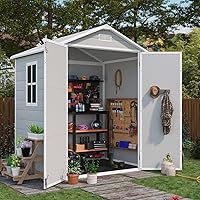
The Patiowell 6x4 Plastic Shed with Floor includes ventilation panels and a lockable door. Those features support storage and airflow, but you should still inspect the panel joints and door edges for gaps.
For a smaller storage area, the Keter Store-It-Out Midi has front doors and a lift-up lid for access. Keep its opening shut when not in use, and store food or seed in sealed containers inside.
Which steps matter most for keeping mice out?
Start with the entry points, food, and shelter: close gaps, remove nesting materials, and use secure containers for anything mice might eat. Keep a clear inspection path around the walls and check the shed regularly, especially before winter.
A storage cabinet or floor can make the contents easier to organize, but neither replaces repairs to the shed's doors, panels, or base. Choose a storage setup that suits your gear, then keep the building itself clean, closed, and easy to inspect.
Frequently asked questions
How do I keep mice out of a shed naturally?
Remove food sources, store birdseed and pet food in sealed containers, clear nesting material, and close gaps mice can use to enter. Keep vegetation and stored items from touching the shed walls so you can inspect the edges.
These steps reduce access and shelter without relying on poison.
Can mice get into a plastic shed?
Yes. A plastic shed can still have gaps around its doors, floor, vents, or panels, and rodents may chew materials they can reach.
Check the shed's edges and keep the door closed, while storing food and nesting materials in secure containers.
What should I use to seal mouse holes in a shed?
Use a durable repair suited to the surface and the size of the opening, such as metal mesh secured with an appropriate sealant for small gaps. Foam alone can be chewed.
Follow the sealant maker's directions and avoid blocking vents needed for airflow.
Do mice go into sheds in winter?
Mice may seek shelter in sheds during cold weather, especially when they can find food, nesting material, or an easy entry point. Before winter, clear clutter, move food into sealed containers, check door seals and openings, and inspect the shed after storms or heavy snowfall.