What Is the Best Type of Garden Shed?
The best type of garden shed for most backyards is a resin shed, because it will not rot, peel or rust and needs no painting. Pick metal when you want a lockable steel box for tools at a lower weight, and pick wood only if you plan to keep up with annual treatment.
On this page (9 sections)
- What is the best type of garden shed for most people?
- When is a metal shed the better choice?
- When does a wooden shed make sense?
- What size garden shed should you buy?
- How does your climate change the answer?
- Which type keeps your tools safest?
- How much upkeep does each type need?
- What should you check before you buy?
- Which garden shed would we pick?
The best type of garden shed for most backyards is a resin shed, because it will not rot, peel or rust and never needs painting. Pick a metal shed when you want a lockable steel box for tools with less weight, and pick wood only if you will keep up with yearly treatment.
Your climate, your floor space and what you store matter more than the material label on the box. This guide walks through each type, the size you need, and the models we would choose for each job.
What is the best type of garden shed for most people?
Resin wins for most people because it combines weather resistance with almost no upkeep. Keter says its polypropylene resin and steel-reinforced panels will not peel, rot or rust and never need painting.
That matters in a backyard where the shed sits in sun, rain and the odd frost all year. Wood sheds need treatment, and steel sheds need their coating watched, but a resin shed only needs a wash and a clear base.
The trade-off is heat and fire behavior. Resin is a plastic, so it softens in extreme heat and reacts differently from steel in a fire.
If you store fuel or a grill tank nearby, read whether Keter sheds are combustible before you site the shed.
Resin also loses to wood on looks for some buyers. The wood-like texture on the Keter Manor is convincing at a distance, but up close it reads as molded plastic.
If the shed sits beside a period house and appearance is the priority, that is the one reason to look elsewhere.
There is also the question of weight and moving day. The Keter Manor kit weighs 93.5 pounds, so two people can shift the panels and stand the walls without a contractor.
A wooden shed of the same footprint is heavier and usually needs a tougher base to carry it.
One more resin point worth knowing is how it handles a knock. A polypropylene panel will scuff or crack where a steel panel would dent, and a crack in resin is harder to patch invisibly.
Site the shed where a wheelbarrow is unlikely to swing into it, and keep the door closed in high wind.
Pick resin if you want the least upkeep and a shed that shrugs off wet weather.
When is a metal shed the better choice?
Metal is the better choice when you want a secure, lockable box for tools and you want less weight on the base. The Gizoon 6x4 is built from galvanized steel with a UV-proof painted finish and a lockable door.
Steel sheds are usually lighter than resin of the same size, so they are easier to move into place and put less load on a timber platform. The Gizoon weighs 45.5 kg, which two people can manage with care.
The catch is the coating. Galvanized steel resists rust well, but scratches and cut edges expose bare metal.
A steel shed in a damp or coastal yard needs its finish checked each season and touched up where it wears.
Metal also gets hot in direct sun. A steel box with no vent becomes an oven in summer, which is fine for tools and bikes but hard on anything that dislikes heat, such as paint, glue or potting mix.
The Gizoon counters this with integrated vents and a sloped roof that sheds rain, which also cuts down on water pooling at the seams.
The Gizoon kit arrives with a metal lock, an accessories box, step-by-step instructions and two pairs of gloves. The door is built on a fixed tube design for the hinge, which is the part that takes the most strain on a steel shed, and the door opening is 44.5 in wide by 62.5 in high.
Do not expect steel to be silent in weather. It drums in heavy rain and can rattle in wind if a panel fixing works loose, so check the fixings after the first big storm of the season.
Pick metal if security and light weight matter more to you than a finish that needs watching.
When does a wooden shed make sense?
Wood is the right call when appearance matters more than upkeep and you are willing to treat the shed each year. Wood blends into a garden in a way resin and steel do not, and it can be repaired or repainted over time.
The cost is time. Timber needs a weatherproof finish renewed every year or two, and damp corners invite rot if the base traps water.
A wood shed also needs a solid, level foundation, because a timber floor will flex and sag on soft ground.
Wood is also the heaviest option of the three in most cases. Moving panels into a tight backyard takes planning, and a large wooden shed may need a base built by a contractor.
We would not pick wood for a first shed in a wet climate unless you enjoy the upkeep. For most buyers comparing types for the first time, the yearly treatment is the reason to skip it.
Pick wood only if you want the look and will keep up with the treatment.
What size garden shed should you buy?
Buy the size that fits your largest item plus the clearance to move around it. A shed that barely holds the mower leaves no room to pull it out on a wet morning.
Start by listing what goes in: the mower, bikes, tools, patio cushions, bins or potting supplies. Then measure the widest and tallest item, not just the floor area.
A push mower needs a door wide enough to roll through without lifting.
The Keter Manor 4x6 has an exterior of 51.2 in wide by 75.6 in deep by 78 in high and 131.8 cubic feet of storage. That is enough for a push mower, tools and some patio furniture, but not a ride-on mower.
The Gizoon 6x4 and the Patiowell 6x4 both offer about 24 sq ft of floor, with doors around 44 to 48 in wide. A ride-on mower needs more width than that, so check the door opening before you buy.
The letter and number label on a shed can also mislead you. The Patiowell is sold as 6x4, yet its exterior is 48.8 in deep by 67.1 in wide by 82.2 in high, and the Gizoon is 75.6 in wide by 48.5 in deep.
Two sheds with the same label can face different ways, so decide whether the long side runs along a fence or out into the yard before you order.
Also measure the route to the spot. A shed that fits the yard but not the side gate is no use.
Pick the size that clears your largest item with room to walk past it.
How does your climate change the answer?
Your climate changes the ranking. In a wet, mild climate, resin and metal both handle rain well, while wood needs more care.
In a hot, dry climate, steel gets very hot inside and resin can soften in direct sun.
In a cold climate with hard frosts, the base matters as much as the material. A shed on a solid, level base survives frost heave better than one on loose gravel or soil.
Resin and steel panels flex less than timber in repeated freeze and thaw.
Coastal salt air is hardest on steel. Galvanized coatings help, but salt still attacks scratches and fixings.
Resin shrugs off salt spray, which is one reason it suits seaside gardens.
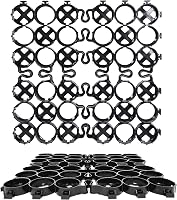
If your yard floods or holds water after rain, raise any shed on a platform. A resin floor base like the one on the Patiowell helps, but it still needs a drained, level spot beneath it.
Read what to put under a resin shed before you build the base.
Snow is the other climate test. A sloped roof like the Gizoon's sheds rain and helps snow slide, but clear heavy snow off any shed roof rather than letting it sit.
Resin panels are UV protected against summer sun, and steel is painted to resist UV, but neither maker publishes a snow load figure.
Pick the material your climate punishes least, then spend the savings on a good base.
Which type keeps your tools safest?
Metal is the safest type for tools when security is the main worry. A steel shed with a lockable door is harder to force than a plastic panel, and the Gizoon includes a metal lock.
Resin sheds can be locked too. The Patiowell has a lockable door, and the Keter Manor has a standard double door.
A determined thief can cut or pry plastic faster than steel, so resin suits a low-risk backyard better than an exposed allotment.
Security is also about visibility. A shed in open view with a window is less inviting to a thief than a hidden one.
The Keter Manor and Patiowell both have windows, which let light in but also let a passer-by see inside.
Keep valuables out of sight and lock the door even when the shed is empty. An empty locked shed is less tempting than an open one.
For more on how resin holds up over time, read are resin sheds any good.
Pick metal for the strongest lockable box, and resin for a low-risk garden with lighter security needs.
How much upkeep does each type need?
Resin needs the least upkeep of the three. Keter says its resin will not peel, rot or rust and never needs painting, so a yearly wash with a hose is about it.
Metal needs its coating checked. Look at scratches, edges and fixings each season and touch up bare spots before rust sets in.
Clear leaves and dirt from the base so water drains away.
Wood needs the most. A timber shed wants a weatherproof finish renewed every year or two, plus checks for rot at the base and around fixings.
Damp corners are the first place to look.
All three need a clear, level base and a check after storms. Loose panels, blocked vents and standing water cause more damage than the material itself.
The Keter Manor is vented and has a skylight, so air moves and light gets in without opening the door.
What does each warranty cover?
The Keter Manor carries a 5-year warranty against manufacturing defects, and the wording matters: it does not cover acts of nature. Storm damage, fallen branches and flood water are usually on you, which is another reason to site the shed clear of overhanging trees.
The Gizoon comes with instructions and installation videos to help you build it right, and the Patiowell ships in two separate boxes that may arrive at different times. Read the coverage for each maker before you buy, because a warranty that excludes weather damage can still leave you paying for a replacement panel after one bad storm.
Pick resin for the least upkeep, metal for a middle path, and wood only if you will do the yearly work.
What should you check before you buy?
Check the door size, the floor area, the base and the warranty before you buy. These four things decide whether the shed works in your yard, more than the material name.
Door width is the first check. A push mower needs a clear opening wide enough to roll through.
The Keter Manor's door is 51.2 in wide and 78 in high, while the Gizoon's is 44.5 in wide and 62.5 in high.
Floor area is the second. The Gizoon and Patiowell both offer about 24 sq ft, and the Keter Manor offers 131.8 cubic feet.
Compare those against what you store, not against the label on the box.
The base is the third. A shed needs a level, drained platform.
The Patiowell includes a plastic floor base, while the Keter Manor and Gizoon do not, so budget for a base if you pick either of those.
Warranty is the fourth. Keter offers a 5-year warranty against manufacturing defects that does not cover acts of nature.
Check what each maker covers before you buy, since storm damage is usually excluded.
There is a fifth check too: how the kit arrives. The Patiowell ships split across two boxes, so do not panic if one lands days before the other.
Count the panels and fittings against the list before you start, because a missing part found early is far easier to replace than one found halfway through the build.
The Keter Manor has the widest of the three doors at 51.2 in, while the Patiowell door is 48.4 in wide. That extra width matters if you roll in a mower with the handle still attached.
Check door size, floor area, base and warranty first, then pick the material that fits your climate and budget.
Which garden shed would we pick?
We would pick the Keter Manor 4x6 for most backyards. It combines resin panels with steel reinforcement, a vented skylight and a double door, and it needs no painting.
For a lighter, lockable steel box, the Gizoon 6x4 is the pick. For a resin shed that includes a floor base, the Patiowell 6x4 is the pick.
Each one suits a different buyer, but the Keter is the safest first choice for most people asking what is the best type of garden shed.
If you are still weighing resin against other materials, read our roundup of the best plastic storage sheds for more options. Measure your spot and your largest item first, then choose the type that needs the least work from you.
Whichever you pick, plan the base before the shed arrives. A level, drained platform is the one part of the job that protects all three materials, and it is easier to build while the yard is empty.
Frequently asked questions
What is the best type of garden shed for a small backyard?
A resin shed is the best fit for most small backyards because it needs no painting and will not rot or rust. A 6x4 model such as the Gizoon metal shed or the Patiowell resin shed takes about 24 sq ft of floor, so measure your spot before you order.
Is a plastic shed strong enough for a lawn mower?
Yes. A resin shed like the Keter Manor is built from polypropylene resin and steel reinforcement and carries 131.8 cubic feet of storage.
Keter lists a push lawn mower, garden tools and patio furniture as intended loads, so a walk-behind mower fits when the door opening suits you.
Do I need a floor for a garden shed?
A resin or metal shed needs a level base, but a floor panel is a separate choice. The Patiowell 6x4 comes with a plastic floor base, while the Keter Manor and the Gizoon metal shed do not include one.
Read our guide on what to put under a resin shed before you build the base.
Will a metal shed rust in a wet climate?
The Gizoon 6x4 is built from galvanized steel with a UV-proof painted finish, which is a good start against weather. Steel still needs care at scratches and edges, so keep the coating intact and keep standing water off the base if your yard stays damp.
Which shed type needs the least maintenance?
Resin needs the least. Keter says its polypropylene resin and steel-reinforced panels will not peel, rot or rust and never need painting.
Wood needs periodic treatment against moisture and insects, and steel needs checking for scratches in its coating.
Are resin sheds combustible?
Resin is a plastic, so it does not behave like steel in a fire. If you plan to store fuel, paint or a grill cylinder, read our piece on whether Keter sheds are combustible before you decide where the shed goes.