Plastic Sheds vs Wooden Sheds: Upkeep and Lifespan (November 2026)
Plastic sheds need less routine upkeep, while wooden sheds can be repaired and refinished. Lifespan depends on materials, installation, weather and care, so choose by the work you can maintain and the look you want.
On this page (6 sections)
Plastic sheds need less routine upkeep, while wooden sheds can be repaired and refinished. For plastic sheds vs wooden sheds, the better choice depends on your preferred appearance, local weather and willingness to maintain the structure over time.
Plastic and resin sheds resist rot and do not need painting. Wood can be painted or stained, and damaged sections may be easier to repair or replace.
Neither material has one guaranteed lifespan. A sound base, correct assembly, weather exposure and regular checks all affect how long a shed remains useful.

Plastic sheds vs wooden sheds: which needs less upkeep?
Plastic sheds generally need less routine maintenance than wooden sheds. Resin does not need paint to protect it from rot, while wood needs checks and a maintained finish to help limit weather damage.
A plastic shed still needs care. Keep it clean, check that doors close and panels remain secure, and follow the maker's guidance for anchoring and repairs.
Wood needs regular attention to its finish and joints. Inspect it for peeling paint, soft or damp areas, loose boards and gaps where water can enter.
What upkeep should you plan for with plastic?
Plan to clean a plastic shed and inspect its panels, fasteners, roof and doors. Low maintenance does not mean no maintenance, especially after severe weather or a change in the shed's stability.
UV protection and water resistance can be useful features, but they do not remove the need to follow installation instructions. Keep the shed on a stable, level base and check the maker's guidance for wind exposure.
For background on keeping outdoor storage in good shape, see our guide to shed preparation and care. It covers the practical steps that apply across shed materials.
What upkeep should you plan for with wood?
Plan to inspect a wooden shed for water entry, worn paint or stain, and loose or damaged boards. Recoat it when its finish needs attention, using products suited to the shed and local conditions.
Wood gives you a surface you can refinish and sections you may be able to replace. That flexibility takes time and upkeep, and any repair should address the cause of the damage rather than hide it.
Which material may last longer outdoors?
Neither plastic nor wood always lasts longer; the site and maintenance matter. Sun exposure, rain, standing water, wind and installation can shorten the useful life of either material.
Plastic avoids common wood concerns such as rot and peeling paint. Still, those advantages do not guarantee a fixed service life or mean every resin shed will hold up the same way in every climate.
Wood can be maintained and repaired, but neglected finish or water problems can lead to damage. Consider whether you can inspect and protect it as the seasons change.
A warranty can help you understand what a manufacturer covers, but it does not predict how long a shed will last in your yard. Read the terms for the exact model, including exclusions and required care.
How do the materials handle weather?
Choose a shed with features suited to your weather, then install it as directed. Plastic models may offer water resistance and UV protection, while wood relies on construction details and maintained finishes for protection.
For either material, avoid placing the shed where water pools around its base. A level, stable foundation helps the structure sit properly and makes doors easier to align.
The guide to leveling ground for a shed explains how to prepare a site. For a resin model, also consider what to put under a resin shed, since the base affects setup and support.
In high winds, follow the maker's anchoring instructions for the model and site. Do not assume a shed is secure just because it feels heavy or sits on a hard surface.
Are plastic sheds better than wood for a backyard?
Plastic is a practical fit when low upkeep matters most; wood suits buyers who want a traditional surface they can refinish. Check neighborhood rules and the appearance of nearby structures before choosing either.
Plastic sheds often have a molded finish, including wood-like textures on some models. This can provide a wood-inspired look, though it won't match the natural grain and repair options of real boards.
Wood offers more choice in finishes and can be painted to suit the yard. That means more control over its appearance, paired with recurring work to keep the finish in good condition.
If you are also comparing other low-maintenance options, our resin vs metal shed comparison looks at different materials and their upkeep needs.
What should you compare before choosing a shed?
Compare the shed's size, floor, doors, ventilation and installation needs alongside its material. A material choice only helps if the shed suits the items you plan to store and the space available.
Measure the yard location and the route for bringing parts or a complete shed into place. Check clearance for the doors and roof, and confirm that your chosen base meets the manufacturer's instructions.
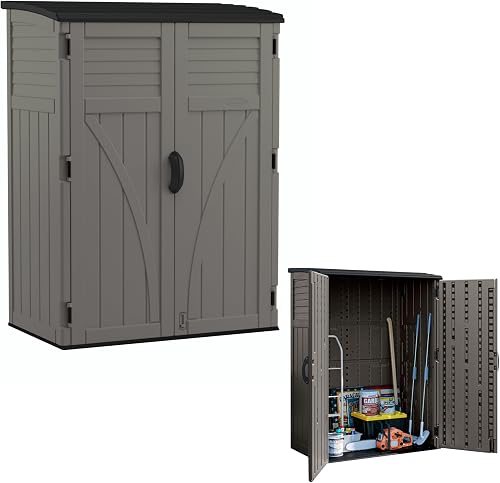
Think about the contents, too. Long-handled tools may suit a tall vertical shed, while bikes or patio items need enough width and door access to move them in and out.
Resin sheds to consider for low upkeep
These resin options show different storage layouts and included features. They can help you compare dimensions, floors, doors and ventilation before choosing a shed for your yard.
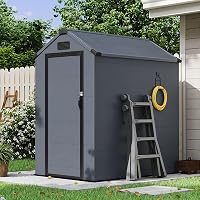
Check the dimensions and setup instructions for the model you choose. For the Gizoon shed, the assembly guidance calls for a completely level surface and 2 to 3 people.
Which shed should you choose for upkeep and lifespan?
Choose plastic if you want less routine care, and choose wood if refinishing and repair flexibility matter more to you. For either material, plan the base and placement before you buy.
Plastic's resistance to rot and peeling makes it a straightforward option for buyers who do not want to repaint a shed. Wood takes more ongoing attention, but you can refresh its finish and address some damage with repairs.
The material alone cannot promise a longer life. Compare the exact shed's warranty, care instructions, construction and fit for your yard, then keep up with basic inspections after installation.
Frequently asked questions
Are plastic sheds better than wooden sheds?
Plastic sheds are often better for low routine upkeep because they do not need painting and resist rot, while wooden sheds can be repaired and refinished. Neither material is best for every yard.
Consider appearance, local weather, the base, and how much maintenance you can keep up with.
Do plastic sheds last as long as wooden sheds?
There is no single lifespan that applies to every plastic or wooden shed. Material quality, assembly, foundation, sun, moisture, wind and care all affect how long a shed stays useful.
Compare the warranty and care instructions for each exact model, then plan to inspect it regularly.
Do wooden sheds need more maintenance than plastic sheds?
Wooden sheds usually need more regular care, such as checking for moisture damage and maintaining paint or another protective finish. Plastic sheds typically need less routine upkeep, though you should still clean them, check joints and doors, and follow the assembly and anchoring instructions.
Can a plastic shed be repaired?
Some plastic shed damage can be addressed, but the repair method depends on the material and location of the damage. Check the manufacturer's instructions before using a patch or adhesive.
Wooden panels can often be repaired or replaced, but the repair still needs suitable materials and weather protection.